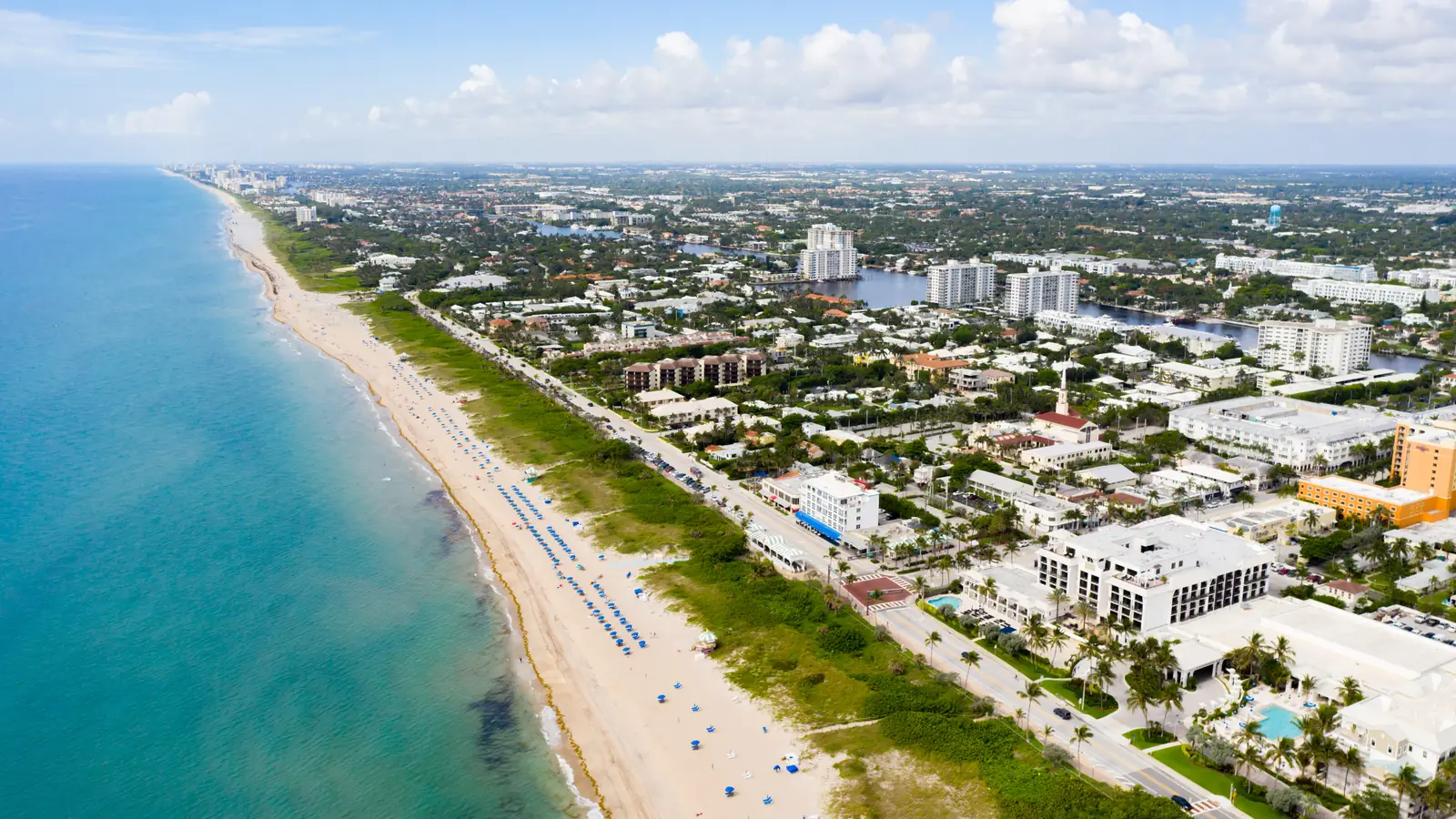
On this coast a large share of the inventory is condominium, much of it in older buildings close to salt water. Florida's structural inspection and reserve rules changed what those units are worth, and the change did not land evenly. Two units in adjacent buildings can be identical inside and priced very differently because of what their associations are carrying.
A note on currency. The relevant statutes have been amended more than once since they were introduced, including changes to how and when associations must fund reserves. Treat what follows as the shape of the problem and the questions worth asking — not as legal advice or a current statement of the statute. Confirm specifics with the association and a Florida real estate attorney before you rely on them.
The two documents that matter
The milestone inspection is a structural assessment of the building itself, required for older multi-storey residential condominium and co-operative buildings, and repeated periodically after the first one. Buildings close to the coastline reach the threshold earlier than inland ones, which is exactly the stock this market is made of. If problems are found, a more detailed phase follows.
The structural integrity reserve study is the money side. It examines the building's major structural components — roof, load-bearing walls, floor, foundation, fireproofing, plumbing, electrical, waterproofing and exterior painting, windows and doors among them — and sets out what reserving for them properly requires. The significant shift is that reserves for those structural items can no longer be casually waived the way associations routinely did for years.
Why this moves the price of a unit
For a long stretch, many associations kept monthly fees low by underfunding reserves. That was popular, and it worked right up until the deferred cost came due. Requiring a real study and real funding converts a hidden liability into a visible one.
The gap has to be closed by the owners, through higher monthly assessments, a special assessment, borrowing, or some combination. A buyer purchasing into that building inherits it. So the purchase price is not the price — the price is the purchase price plus your share of whatever the building has not yet paid for.
This is why a unit with low monthly fees is not automatically the better buy, and can be the worse one. Low fees in an older coastal building with a thin reserve balance are a signal to look harder, not a feature.
What a buyer should read, in order
- The milestone inspection report, if the building has reached its threshold — including whether a further phase was required, and what came of it
- The structural integrity reserve study, and the current reserve balance against what the study says is needed
- The current budget, and how reserve contributions changed over the last three years
- Any special assessment: levied, approved, or discussed
- Board and membership meeting minutes for the last two years — this is where an assessment appears months before it is formally levied
- The insurance position, including the master policy deductible and how shortfalls are allocated to owners
- Any open permits or unresolved code enforcement on the building
- Pending litigation involving the association
The minutes are the item people skip and the item that most often changes an offer. Boards discuss a coming assessment long before it becomes a document anybody is obliged to hand you.
What a seller should have ready
If you are selling in a building that has been through this properly, that is an asset and it should be presented as one. A completed inspection, a funded reserve and a board that has already dealt with its structural obligations is worth real money against a comparable unit whose association has not started.
Have the documents assembled before you list. Buyers in this market now ask, and a delay in producing them reads as a problem whether or not there is one. The worst outcome is a buyer discovering an assessment late and renegotiating from a position you handed them.
Where this bites hardest here
Oceanfront condominium buildings in Highland Beach, along the Boynton Beach and Delray Beach Intracoastal, and in east Boca Raton are disproportionately exposed: they are older, they are close to salt air, and salt air is unkind to the exact components a reserve study is concerned with.
That is not a reason to avoid them. Some of the best-located property on this coast is in those buildings, and a well-run association that has already funded its obligations is a genuinely good place to own. It is a reason to treat the association's paperwork as being as important as the unit's finishes — because in an older building it usually is.
The practical summary
Price the building, not just the unit. Two apartments with the same view and the same kitchen are not the same purchase if one association has completed its inspection and funded its reserves and the other has not. Read the study, read the minutes, and ask what the board intends to do about the difference between what the study says is needed and what is actually in the account.
If you send me the building, I will tell you what I can establish about where it stands, and what I would want answered before writing an offer there.